American stories for kids are full of big characters, bold choices and impossible challenges. In this collection, children can meet Paul Bunyan and Babe the Blue Ox, watch Pecos Bill face a wild tornado and follow Rip Van Winkle as he wakes up to a changed America.

These stories are not quiet little lessons. They are funny, strange and larger than life, but they also give children useful ideas to carry with them: be brave, keep trying, use your head, help your friends and do not give up too quickly.

Use this page to choose a story, find a read-aloud option, start a classroom discussion or explore more North American storytelling on Kooky Kids World.

Read American stories on Kooky Kids World

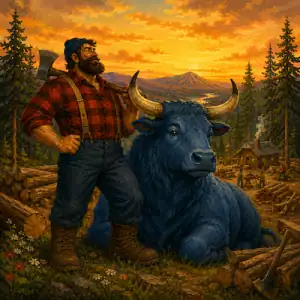
Paul Bunyan and Babe the Blue Ox in a bright American tall-tale landscape with river, forest and giant-scale adventure.

Paul Bunyan and Babe the Blue Ox

Paul Bunyan and Babe the Blue Ox

Paul Bunyan is a giant lumberjack with an even bigger blue ox called Babe. This American tall tale is full of impossible size, teamwork and cheerful problem-solving.

Best for: ages 5 to 10, tall tales, teamwork, big imagination and trying when the job looks too large.

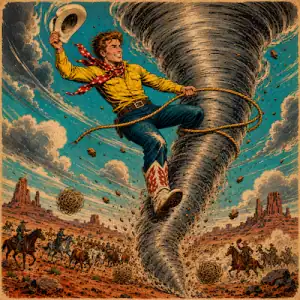
Pecos Bill in cowboy country facing a swirling tornado in a bold American tall tale for children.

Pecos Bill and the Tornado

Pecos Bill and the Tornado

Pecos Bill belongs to the world of coyotes, cowboys, dry land and wild weather. His story turns danger into comic exaggeration and shows children a bold, quick-thinking hero.

Best for: ages 6 to 10, courage, frontier humor, exaggeration, bravery and thinking fast.

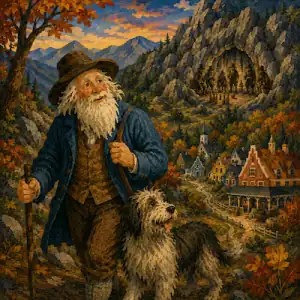
Rip Van Winkle walking with his dog Wolf above a village in the Catskill Mountains.

Rip Van Winkle

Rip Van Winkle

Rip Van Winkle falls asleep in the Catskill Mountains and wakes many years later to find that the world he knew has changed. This classic American tale helps children think about time, change and finding your place again.

Best for: ages 6 to 12, classic stories, change, responsibility, history, discussion and read-aloud time.

Which story should I start with?

Start with Paul Bunyan and Babe the Blue Ox if your child likes giants, animal friends, outdoor adventure and stories where huge problems can be solved with effort and teamwork.

Start with Pecos Bill and the Tornado if your child enjoys cowboys, wild weather, silly exaggeration and heroes who do not let fear make every decision.

Start with Rip Van Winkle if your child is ready for a quieter classic about time passing, life changing and waking up to a world that feels different.

For a modern school story with North American animals, families can also download Dylan’s First Day at School, a free picture book featuring a bear, raccoon, beaver and moose.

Themes children can talk about

These American stories are entertaining first, but they also open useful conversations at home or in class.

Grit and determination

Paul Bunyan and Pecos Bill both face problems that look far too big. Their stories give children a playful way to talk about trying, practising, thinking clearly and keeping going.

Courage and confidence

Tall tales are not realistic safety advice. They are comic, exaggerated stories. Still, they can help children talk about fear, bravery and the idea that a difficult moment does not have to be the end of the story.

Change and responsibility

Rip Van Winkle is different from Paul Bunyan and Pecos Bill because he is not a bold frontier hero. His story is about waking up after time has passed and learning that life has moved on. That can help children talk about new classes, changed friendships, family changes and growing up.

Humor and exaggeration

Tall tales stretch the truth on purpose. Children can spot the impossible parts, laugh at them and then try making up their own larger-than-life story.

For parents, teachers and homeschool families

This collection can be used for bedtime reading, read-aloud time, classroom discussion, story mapping and compare-and-contrast activities.

Simple ways to use the stories:

  • Ask children to identify the impossible part of each story.
  • Compare Paul Bunyan and Pecos Bill as tall-tale heroes.
  • Compare Rip Van Winkle with the tall tales and ask why his story feels different.
  • Talk about the American Dream in child-friendly language: work hard, be brave, keep trying and believe your next chapter can be better.
  • Ask children to invent their own tall-tale hero and give that hero one huge challenge.
  • Use the stories to discuss grit, teamwork, quick thinking, change and responsibility.

A simple three-story reading path:

  1. Read Paul Bunyan for teamwork and big possibility.
  2. Read Pecos Bill for courage, humor and wild exaggeration.
  3. Read Rip Van Winkle for time, change and waking up to a different world.

About American tall tales and classic stories

American tall tales often grew from a tough, changing world. Early settlers faced forests, rivers, storms, hard work and long distances. Storytellers took that pressure and made it bigger, funnier and more hopeful.

A tall tale is not meant to be believed like a fact. It is meant to be enjoyed. A giant lumberjack does not really straighten rivers, and a cowboy does not really ride a tornado. Children understand that. The fun is in the exaggeration.

This collection also includes Rip Van Winkle, which is usually described as a classic American literary tale rather than a frontier tall tale. It belongs here because it helps children think about America, time, change and what happens when the world moves on.

At Kooky Kids World, stories are retold or adapted with child-friendly language, clear story structure and careful notes where a story’s background or category matters.

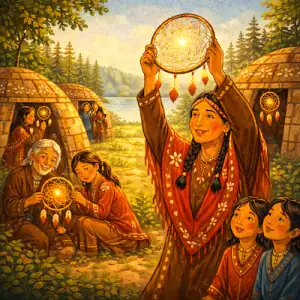
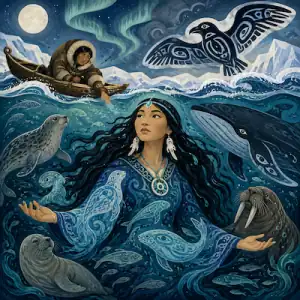
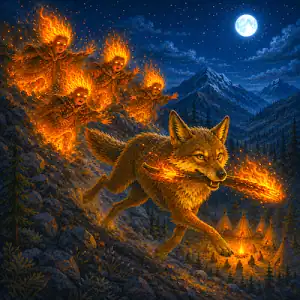
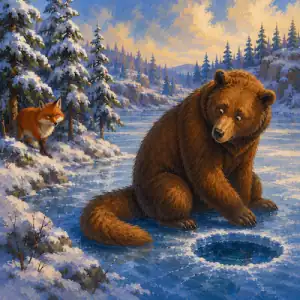
Indigenous stories of North America

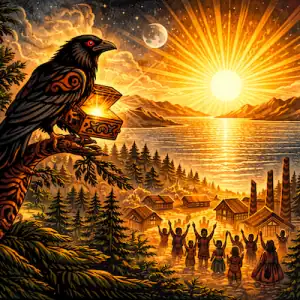
Indigenous stories of North America long predate the United States and belong to living cultures and communities. They should not be treated as the same thing as American frontier tall tales, cowboy stories or larger-than-life folk heroes.

Where Kooky Kids World includes child-friendly retellings of Indigenous or Native American stories, we introduce them with care and respect. These stories may include animals, tricksters, natural forces, creation themes or lessons about sharing, courage and responsibility, but they are rooted in specific cultural traditions and should not be flattened into simple “moral of the story” summaries.

Families and teachers can use these stories as part of a wider North American storytelling path, while remembering that they are different from Paul Bunyan, Pecos Bill and other tall tales.

Explore Indigenous Stories of North America for Children to find carefully presented stories from Indigenous and Native American traditions.

Frequently Asked Questions

  • What are American tall tales?

    American tall tales are exaggerated folk stories with larger-than-life characters, impossible events and a strong sense of humor. They are fun first, but they often show courage, hard work, quick thinking and determination.

  • Which American tall tales can children read on this page?

    Children can start with Paul Bunyan and Babe the Blue Ox or Pecos Bill and the Tornado. Both stories use huge exaggeration, comic action and bold characters.

  • Is Rip Van Winkle a tall tale?

    Rip Van Winkle is usually described as a classic American tale rather than a frontier tall tale. It is included here because it helps children think about America, time, change and waking up to a new world.

  • What age are these stories best for?

    Paul Bunyan is a good read-aloud choice for many children aged 5 to 10. Pecos Bill is usually best for ages 6 to 10 because of the tornado and wild animal exaggeration. Rip Van Winkle can work well for ages 6 to 12, especially with an adult to talk about time and change.

  • How can teachers use American tall tales in class?

    Teachers can use tall tales to teach exaggeration, character, setting, problem and solution, compare-and-contrast writing and creative storytelling. Children can also write their own tall tale with one huge hero and one impossible challenge.

  • Are Indigenous stories of North America the same as American tall tales?

    No. Indigenous stories of North America long predate the United States and belong to living cultures and communities. They should be shared with care and respect, not treated as the same thing as frontier tall tales.