
Irish Folktales for Kids
Irish Folktales for Kids brings together Kooky Kids World stories from Irish oral traditions and Irish literary context. Choose a swan legend, a boastful giant, a magical island, or an Oscar Wilde fairy tale for a shared read and listen.
Every full story card below leads to a complete story with listen-along audio. The cards name the story type where it helps, so families and teachers can choose a story that fits the moment.
Irish stories to read and listen to
Start with five full stories. The first three are Irish traditional-story routes. The two Oscar Wilde cards are literary fairy tales, not Irish oral folktales or legends.
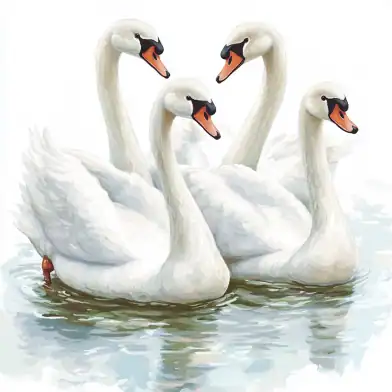
The Children of Lir
Four children become swans in an Irish legend of family, sorrow, endurance and hope.
Best for: Irish legends, emotional discussion, ages 7-12.
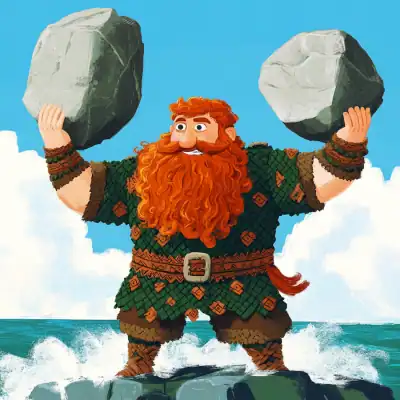
Finn MacCool and the Giant’s Causeway
A lively giant legend of clever thinking, big bragging and the Giant’s Causeway.
Best for: giants, humor, clever problem solving, ages 5-10.

Legend of Tír na nÓg: Oisín and Niamh
Oisín and Niamh travel to the Land of Eternal Youth in a magical Irish legend with a thoughtful ending.
Best for: Irish myths, wonder, older listeners, ages 7-12.

The Happy Prince
A literary fairy tale by Irish writer Oscar Wilde about generosity, compassion and seeing people in need.
Best for: kindness, empathy, classic literature, ages 7-12.
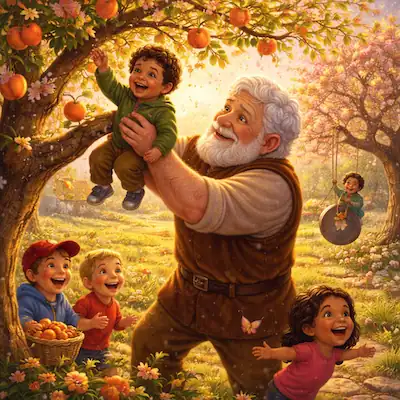
The Selfish Giant
A literary fairy tale by Irish writer Oscar Wilde about a locked garden, changing seasons and learning to share.
Best for: kindness, seasons, character change, ages 8-11.
Related Reading
Celtic Mythology Stories Every Child Should Know
A guide for grown-ups and older children who want context before comparing Irish, Scottish and Welsh stories.
Which Irish story should you start with?
- For younger children: start with Finn MacCool and the Giant’s Causeway.
- For magical legends: choose Tír na nÓg or The Children of Lir.
- For literary fairy tales: choose The Happy Prince or The Selfish Giant.
For parents, teachers and homeschool families
These stories work well for read-aloud time, folklore study, story sequencing, character discussion and comparison. Many of the stories collected here connect a magical event with a place, a family, a hero or a difficult choice.
For discussion, ask what a named story shows about its setting, characters or promise. When comparing traditions, name the particular Irish, Welsh or Scottish story rather than treating Celtic as one uniform tradition.
About Irish folktales, legends, myths and literary stories
Irish oral storytelling includes folktales passed through tradition, legends connected with places or heroes, and myths shaped by magical lands and ancient figures. Kooky Kids World retellings use clear language while naming story type where it helps.
This collection also includes two literary fairy tales by Irish writer Oscar Wilde. They belong to Irish literary context, but are not presented as Irish oral folktales or legends.
Scottish Stories for Kids · Welsh Folktales for Kids · Celtic Folk Tales for Kids · Folktales for Kids
Frequently Asked Questions About Irish Folktales for Kids
-
Are these Irish folktales suitable for children?
Yes. The full story pages are written for children, but some Irish legends include sorrow, loss or danger. The card notes and individual story pages help parents and teachers choose by age and sensitivity.
-
Do the Irish stories include listen-along audio?
Yes. Every full story in this collection has listen-along audio on its individual story page. The Celtic Mythology guide in Related Reading is an adult-facing guide, not a story card.
-
Are the Oscar Wilde stories Irish folktales?
No. The Happy Prince and The Selfish Giant are literary fairy tales by Irish writer Oscar Wilde. They are included for Irish literary context and are named separately from stories rooted in Irish oral tradition.
-
Which Irish story is a good first choice for younger children?
Finn MacCool and the Giant’s Causeway is a lively first choice because it is visual, funny and easy to picture. The Children of Lir and Tír na nÓg suit older listeners who are ready for deeper feelings or a more thoughtful ending.
-
Can teachers use these Irish stories in class?
Yes. They can support read-aloud sessions, folklore study, story sequencing, vocabulary and comparison. Keep discussion specific to the named story, setting or tradition rather than treating all Irish and Celtic stories as the same.
