
Canadian Stories for Kids
Read Canadian stories for kids at Kooky Kids World, including French Canadian folk tales, Inuit legends, Indigenous stories and traditional tales from across Canada and North America.
This collection brings together stories with strong settings, memorable characters and useful themes for children aged 6 to 12. Some stories are mysterious and magical. Others are trickster tales, origin stories or cautionary legends about promises, courage, cleverness, respect and survival.
Each story is written for children and includes read aloud audio, discussion questions, vocabulary support and classroom activities for parents, teachers and homeschoolers.
Canadian Folklore for Kids: Many Traditions, Many Stories
Canadian storytelling includes many distinct traditions. This collection includes child-friendly retellings connected with French-Canadian, Inuit, Haida, Ojibwe and other Indigenous storytelling traditions. These stories do not form one single tradition: they come from different peoples, languages, places and storytelling contexts across what is now Canada.
On this page, children can explore Canadian folk stories, legends and myths in a child friendly format. Teachers can also use the questions and activities to support reading comprehension, oral discussion, cultural comparison and creative writing.
Stories in This Collection
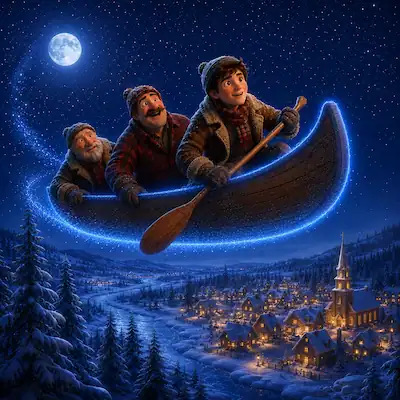
The Flying Canoe, also known as La Chasse-Galerie or The Bewitched Canoe, is a French Canadian folk tale from Quebec. In this magical winter legend, homesick lumberjacks take a dangerous flight through the night sky in a canoe, but their journey comes with strict rules and a risky promise.
Best for: promises, temptation, home, courage, consequences
Story type: French Canadian folk tale / legend
Region: Quebec, Canada
Recommended age: 8–12
Reading time: 10–15 minutes
Read The Flying Canoe
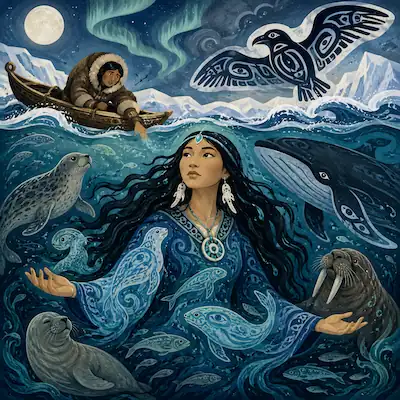
Sedna, Goddess of the Sea is a child-friendly retelling of an Inuit story about the sea, survival and the origins of sea animals. Details vary by community and storyteller. This powerful story is mysterious and serious, so it works best for older children who can discuss its meaning with care.
Best for: respect, nature, survival, the sea, traditional storytelling
Story type: Inuit story / origin story
Region: Arctic / Inuit tradition
Recommended age: 8–12
Reading time: 10–15 minutes
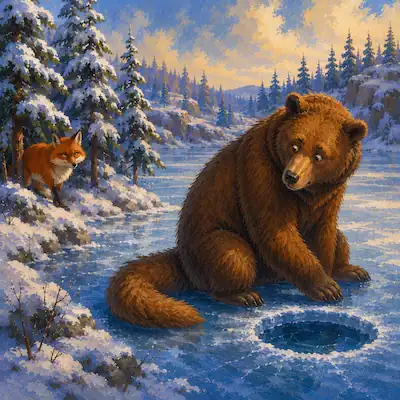
How the Bear Lost Its Tail is a North American animal trickster tale with versions recorded in the Great Lakes and northeastern regions of what are now Canada and the United States. Versions are associated with several Indigenous storytelling traditions, including Haudenosaunee and Anishinaabe/Ojibwe traditions. Details and characters vary by community and storyteller.
Bear is proud of his long tail, but Fox tricks him into fishing through the ice. The story explains why bears have short tails and opens up discussion about pride, trust and thinking carefully before following someone else’s advice.
Best for: trickster tales, pride, trust, consequences, animal stories
Story type: Animal folk tale / trickster story / origin story
Region: Canada and North America
Recommended age: 7–10
Reading time: 9 to 11 minutes
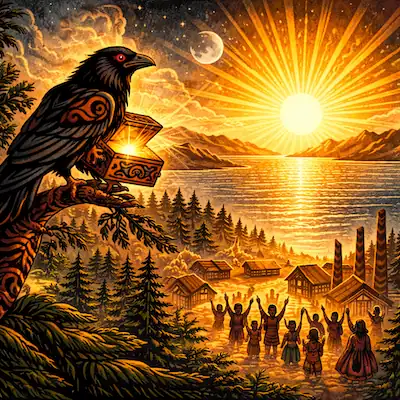
Raven Steals the Light is a child-friendly retelling of a Haida story from the Pacific Northwest about Raven bringing light into the world. Haida storytelling is strongly connected with Haida Gwaii in British Columbia and parts of southeastern Alaska, so this story fits the Canadian collection when presented as Haida and Pacific Northwest rather than simply Canadian.
Best for: Trickster tales, light, sharing, cleverness, creation stories
Story type: Haida myth / Indigenous Pacific Northwest trickster story
Region: Haida / Pacific Northwest, including Haida Gwaii in British Columbia
Recommended age: 8 to 10
Reading time: 10 to 15 minutes
Ojibwe and Anishinaabe Stories
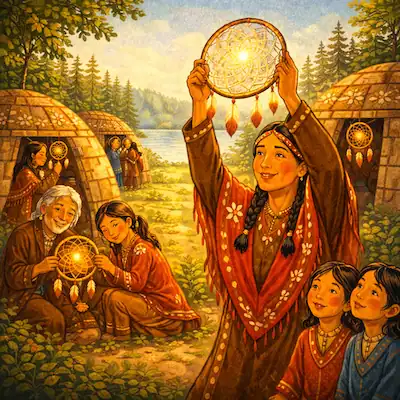
The Dreamcatcher is a child-friendly retelling of an Ojibwe legend connected with Asibikaashi, also known as Spider Woman. The story explores care, protection, patience and learning from the natural world. Dreamcatcher traditions are most closely associated with Ojibwe and Anishinaabe culture, and versions may vary by community, family and storyteller.
Best for: Care, protection, patience, community, learning from nature
Story type: Ojibwe legend / teaching story
Region: Ojibwe / Anishinaabe, Great Lakes region of Canada and the United States
Recommended age: 8 to 11
Reading time: 10 to 12 minutes
Related Reading
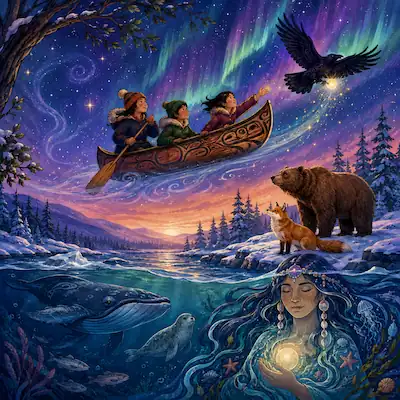
For a closer look at five Canadian stories and the traditions represented here, read Canadian Stories for Kids: 5 Folk Tales, Legends and Myths to Read or Listen To.
What Are Canadian Stories?
Canadian stories include folk tales, legends, myths, animal stories, trickster tales and historical stories connected with Canada’s many peoples and regions.
Some Canadian stories come from French Canadian folklore, especially Quebec. Others come from Indigenous storytelling traditions, including Inuit, Ojibwe, Haida and many more. There are also modern Canadian children’s stories and historical stories about life in Canada.
Because Canada contains many different cultures and languages, there is no single type of “Canadian story”. A French Canadian legend from Quebec is different from an Inuit Arctic story or a Haida myth from the Pacific Northwest. This collection helps children explore those differences through child-friendly retellings, read aloud stories and classroom activities.
Why Read Canadian Stories with Children?
Canadian folk stories and legends can help children explore setting, character, theme and traditional storytelling. They often include memorable journeys, animals, tricksters, natural landscapes and choices that lead to consequences.
For parents, these stories offer something different from familiar European fairy tales. For teachers, they can support discussion about folklore, oral storytelling, cultural traditions, geography, nature and how stories change as they are retold.
Children can compare a French Canadian legend like The Flying Canoe with an Inuit story like Sedna or an animal trickster tale like How the Bear Lost Its Tail. This helps them notice how different stories explain the world, warn against danger or teach through clever characters.
Canadian Stories for the Classroom
These Canadian stories can be used for reading practice, oral discussion, creative writing and classroom comparison. Many include questions, vocabulary support and activities to help pupils think about characters, choices, setting and meaning.
Teachers can use this collection to:
– Compare different types of traditional stories
– Discuss trickster characters and clever problem-solving
– Explore how setting shapes a story
– Talk about promises, consequences, courage and respect
– Introduce children to French Canadian, Inuit, Ojibwe and other storytelling traditions
– Support speaking and listening through retelling activities
– Build vocabulary around landscape, weather, animals and traditional story structure
Best Order to Read These Stories
If you are reading these Canadian stories at home or in class, this order works well:
1. Start with The Flying Canoe for adventure, suspense and a clear cautionary lesson.
2. Read How the Bear Lost Its Tail for a shorter animal trickster tale.
3. Move to Raven Steals the Light for a powerful Haida story about light, sharing and cleverness.
4. Read The Dreamcatcher for a quieter Ojibwe story about care, protection and community.
5. Finish with Sedna, Goddess of the Sea for older children ready to discuss a more serious Inuit legend.
Explore More Stories from Around the World
If you enjoyed these Canadian stories, you can also explore more traditional tales on Kooky Kids World.
Read more folk tales for kids, including stories from Wales, Ireland, Scotland, Spain and other parts of the world. You can also explore fairy tales, fables, trickster stories and bedtime stories for children.
For more clever animal stories from wider North American traditions, explore our trickster stories for kids.
Frequently Asked Questions About Canadian Stories for Kids
-
What are Canadian stories for kids?
Canadian stories for kids are folk tales, legends, myths and children’s stories connected with Canada. They may include French Canadian tales, Inuit legends, Indigenous stories, animal trickster tales and stories set in Canadian landscapes.
-
Are Canadian folk stories the same as Indigenous stories?
No. Some Canadian stories come from Indigenous storytelling traditions, but not all Canadian folk stories are Indigenous. For example, The Flying Canoe is a French Canadian legend from Quebec, while Sedna is an Inuit story and Asibikaashi is connected with Ojibwe tradition.
-
What is a famous Canadian folk tale?
The Flying Canoe, also known as La Chasse-Galerie or The Bewitched Canoe, is one of the best-known French Canadian folk tales. It tells of homesick lumberjacks who travel through the night sky in a magical canoe.
-
Are these Canadian stories suitable for school?
Yes. These stories can be used for classroom reading, discussion, vocabulary work, oral storytelling and creative writing. Teachers should choose stories by age, theme and cultural context.
-
What age are these Canadian stories best for?
Most of these Canadian stories are best for children aged 7–12. Some animal trickster tales work for younger children, while more serious legends such as Sedna are better for older children with adult guidance.
-
Can children listen to these Canadian stories read aloud?
Many Kooky Kids World stories include read aloud audio. Audio can help children follow the story, hear new vocabulary and enjoy the rhythm of storytelling.
Copyright Notice
© Kooky Kids World. This original retelling, illustrations, audio narration and supporting educational content are protected by copyright. The underlying folk tale is traditional and may exist in many public domain or oral storytelling versions.
