
Best for: Ages 4–10 (great for mixed ages)
Reading time: 8–10 minutes
There’s a reason children never get bored of animal fairy tales. A wolf can “talk” without feeling too scary, a bear family can teach boundaries without a lecture and a clever cat can turn a tricky day into a win. Because animals are one step removed from real life, kids often find it easier to understand big feelings like jealousy, pride, fear, kindness and regret.
In this guide, I’ve pulled together the best animal fairy tales and animal-led classic stories on Kooky Kids World. You’ll find free stories, read-aloud audio and a mix of gentle favourites and bolder classics, plus simple ways to use each tale to spark good conversations.
Want a free bedtime read to start tonight? Get your free copy of Dylan by entering your details in the box below.
What counts as an “animal fairy tale”?
Parents tend to search for “animal fairy tales” when they want one of these:
- Classic fairy tales with animals at the centre (wolves, bears, cats, pigs, frogs)
- Animal transformation stories where an animal form hides a secret or a lesson
- Fables (short moral tales where animals act like people)
- Folktales and legends where animals represent cleverness, loyalty, temptation or danger
If you like the “why the world works” type of tale too, you’ll also enjoy origin-style stories such as Why the Sky Is High, where nature itself becomes part of the lesson.
Wolf fairy tales: The stories kids quote forever
Wolves are a classic fairy-tale shortcut. They create instant tension, they test a character’s judgement and they make the “safe choice” feel meaningful. On Kooky Kids World, your wolf-led favourites include:
Little Red Riding Hood

Why it works for parents: It’s one of the clearest stories for teaching safe choices without turning it into a scary lecture. You can talk about listening, trusting your instincts and what to do if someone feels “off”, all through the story.
Try this at bedtime: Ask your child what the safest choice would be at three points in the story, then let them explain why.
The Three Little Pigs
 Why it works for parents: This is the ultimate “effort now, easier later” tale. It’s not just about houses, it’s about planning, patience and learning from mistakes. It’s a brilliant read-aloud because the repeated lines and the ‘huff and puff’ build-up make children want to join in.
Try this at bedtime: Compare the three choices in a very real way: “What’s something you can do properly once, so you don’t have to redo it?”
The Boy Who Cried Wolf
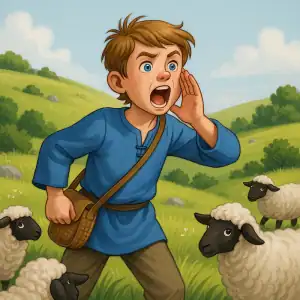 Why it works for parents: It teaches honesty and consequences in a simple, memorable way. It also opens up a useful conversation about rebuilding trust when you’ve messed up.
Try this at bedtime: If your child has ever exaggerated a story, this is a gentle mirror that doesn’t shame them.
Wolf next-reads: After wolves, many children enjoy stories where danger is clever rather than brutal, like The Gingerbread Man (hello, tricky fox energy).
Bear fairy tales: Cosy, funny and surprisingly wise
Bears often show up as a family, which makes them perfect for talking about homes, rules, manners and respect.
Goldilocks and the Three Bears
 Why it works for parents: It’s a story about boundaries in a way children can actually feel. “Not yours” lands much better when it’s porridge, chairs and beds.
Try this at bedtime: Ask, “What would you do if you walked into the bears’ house and realised you didn’t belong there?” Then let them talk through the moment of choice.
Cat fairy tales: Cleverness, confidence and a bit of cheek
If your child likes witty characters who can talk their way out of trouble, cats are magic.
Puss in Boots
 Why it works for parents: This story is all about making the most of what you have. It’s a great one for confidence, resourcefulness and not letting a small start decide your whole future.
Try this at bedtime: Ask your child what “talent” they think Puss uses most: talking, planning or bravery. There’s no wrong answer, which is why it’s such a good chat.
Bird fairy tales: The stories that help kids with confidence
Bird stories often land beautifully with children who feel different or who need a reminder that growing takes time.
The Ugly Duckling
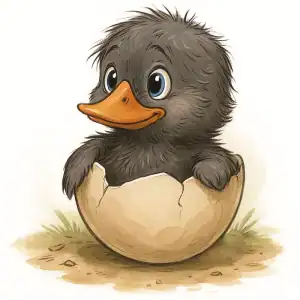 Why it works for parents: It’s one of the gentlest stories for talking about identity, belonging and not judging someone too fast, including yourself.
Try this at bedtime: Ask, “When do you feel most like yourself?” Kids often surprise you with the honesty of their answer.
Dog fairy tales: Loyalty, regret and thinking before you act
Dogs in folk tales usually carry big themes, especially loyalty and protection.
The Tale of Gelert the Faithful Hound
 Why it works for parents: This story is emotional and it sticks. It’s best for older children, or for reading together when you can pause and talk. It’s a powerful lesson in not rushing to judgement.
Parent tip: Read it when you have time for a proper chat afterward, not five minutes before lights-out.
Animal “chaos stories”: When kids want something silly
Not every animal tale needs a big moral. Some are simply fun, rhythmic or full of mischief, which still matters because children learn language through repetition and delight.
Here are a few quick favourites:
- Old MacDonald Had a Farm – brilliant for toddlers who love animal sounds
- Five Little Ducks – counting plus feelings, without being heavy
- This Little Piggy Went to Market – a classic for giggles and routine
- Baa Baa Black Sheep – simple sharing, easy rhythm
- Mary Had a Little Lamb – gentle, familiar and sweet
- Incy Wincy Spider – perseverance in 30 seconds
- The Farmer in the Dell – great for sequencing and group play
If you want more in the same theme, browse the Animals and Birds tag on Kooky Kids World.
Short animal fables: When you want a quick moral story
Sometimes you’re not looking for a long bedtime story. You want a short, clear tale that helps a lesson land without a lecture. That’s where fables shine.
The Tortoise and the Hare
 Why it works for parents: It’s not just “slow and steady wins”. It’s also about staying focused and not letting confidence turn into carelessness.
More moral-style stories: If you’re building an honesty and choices mini-series at home, pair it with The Boy Who Cried Wolf the next day.
How to use animal fairy tales at home (without it feeling like school)
- Pick the animal that matches the moment. Wolves for judgement, bears for boundaries, birds for confidence, cats for cleverness.
- Keep one question ready. Not ten. One good question is enough to start a real conversation.
- Use audio when you’re tired. Let the story do the heavy lifting and simply listen together.
- Repeat favourites. Re-reading is not lazy. It’s how children build vocabulary and story structure.
For more parent-friendly reading tips, you might like:
- Why Reading Aloud is Crucial for Your Child’s Development
- Why You Should Make Book Reading with Your Child an Everyday Activity
- 10+ Ways to Make Reading Fun for Kids (Ages 0–12)


