The Boy Who Cried Wolf is a classic Aesop fable for kids about honesty, trust and the consequences of lying. In this child-friendly retelling, a bored shepherd boy raises a false alarm again and again until a real wolf appears and nobody believes him. Read the story below, then explore the moral, vocabulary, discussion questions and classroom activities.
0:00/0:00
The Boy Who Cried Wolf
Independent Reading Age: 5–8 years
Reading Level: Lower / Upper Elementary
Reading Time: Under 5 minutes
Author / Source: Aesop / traditional fable
Story Type: Fable
Region / Origin: Ancient Greece
Main Characters: The shepherd boy, the villagers, the wolf
Moral / Themes: Honesty, trust, responsibility, consequences
The Boy Who Cried Wolf – Bedtime Moral Story for Kids (Ages 5–8)
The Boy Who Cried Wolf
Finn the Shepherd Boy
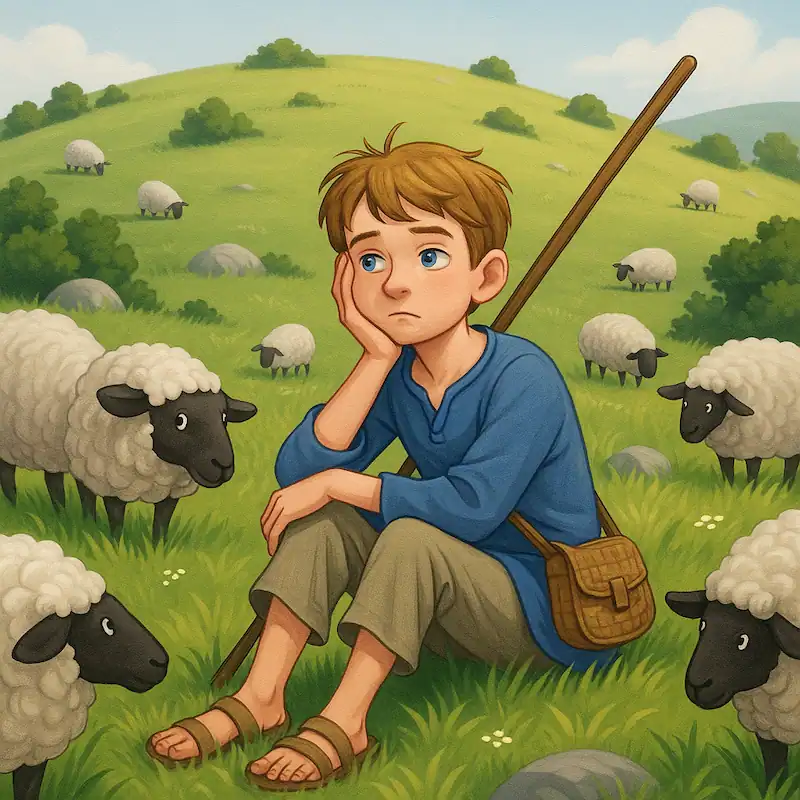
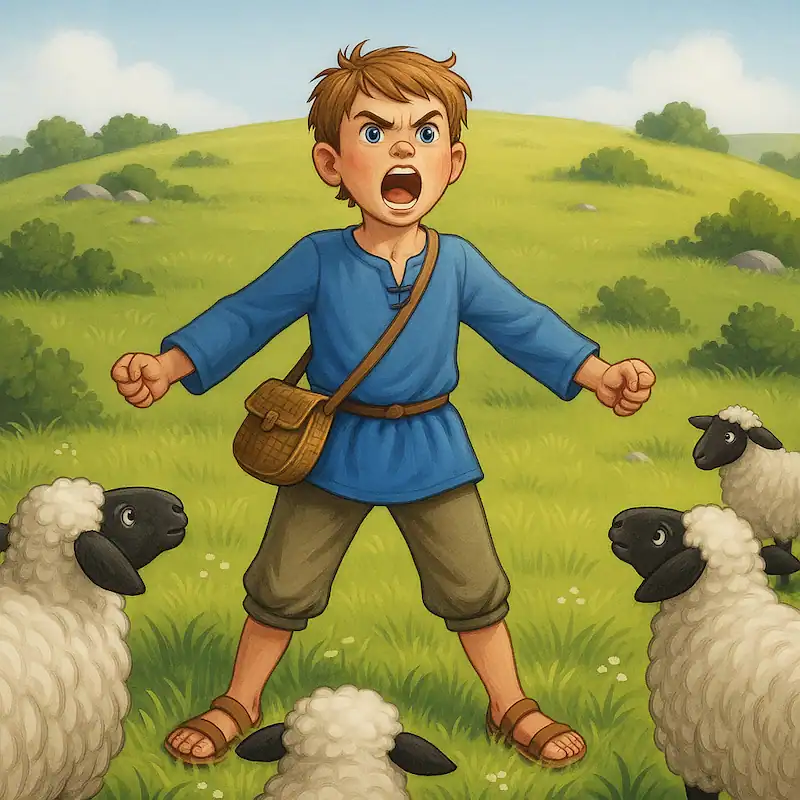
Finn was a young shepherd boy, in charge of the villagers’ sheep. Every day he led them up the big green hill to graze. It was an important job… but Finn found it terribly boring.
One sunny afternoon, Finn had an idea.
A mischievous idea.
A silly idea.
A very bad idea.
The First Trick
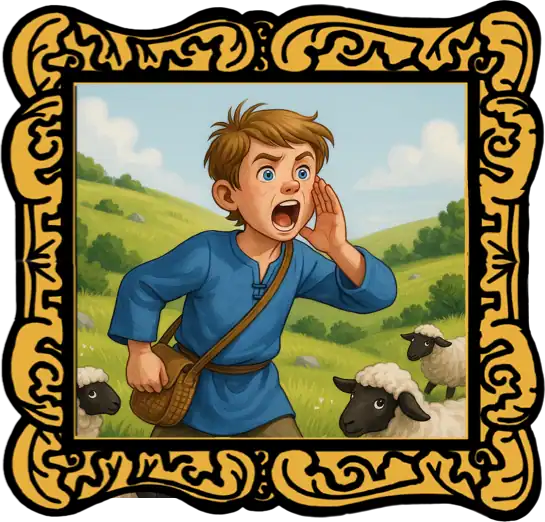
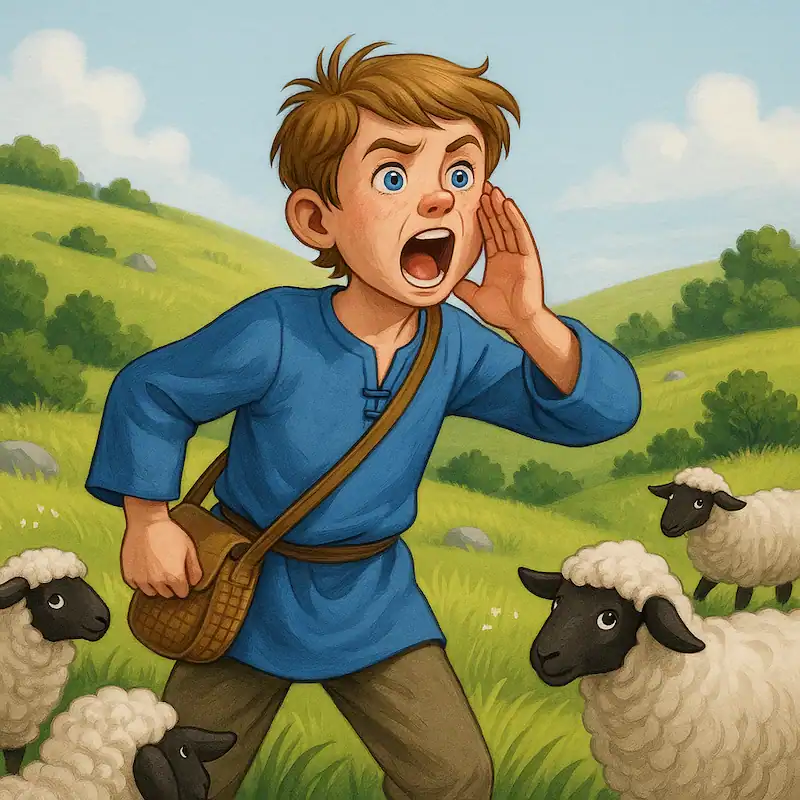
He cupped his hands and shouted with all his might:
“WOLF! WOLF!” he cried.
THERE’S A WOLF ATTACKING THE SHEEP!”
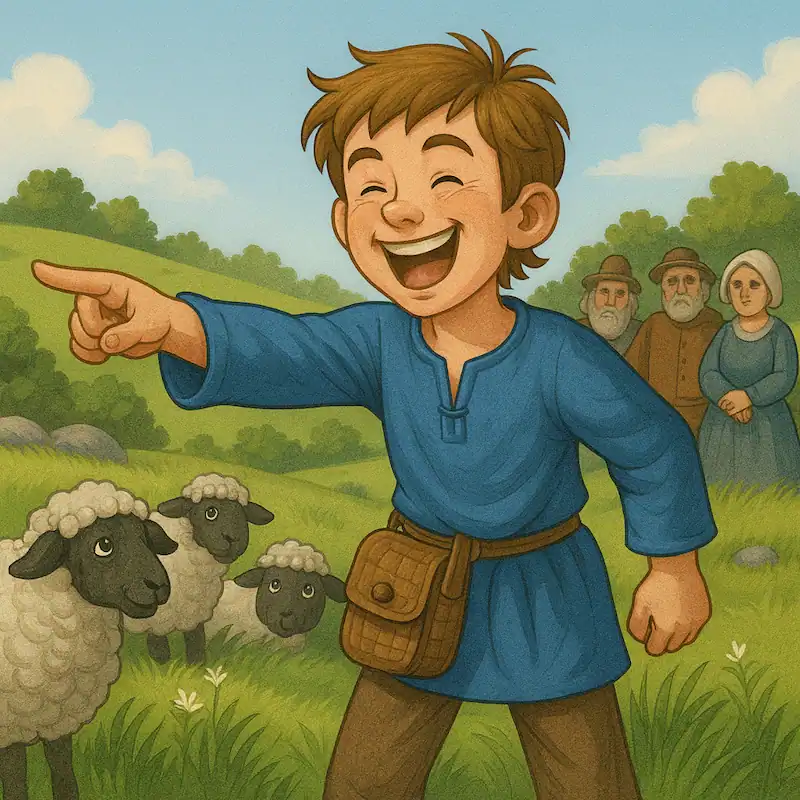
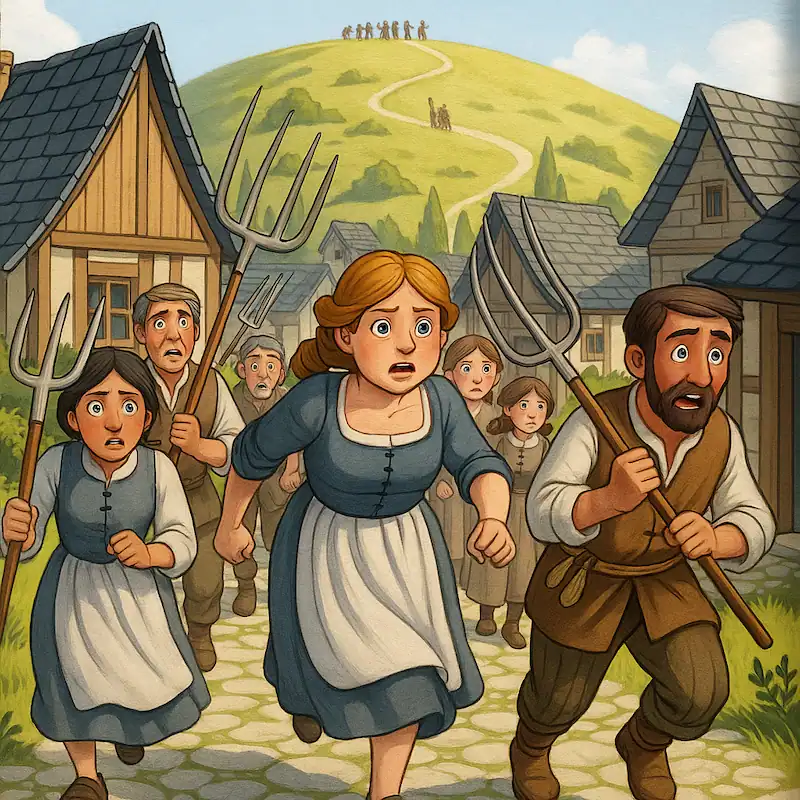
The villagers heard his cries and rushed up the hill. But at the top, there was no wolf… only Finn laughing at his trick.
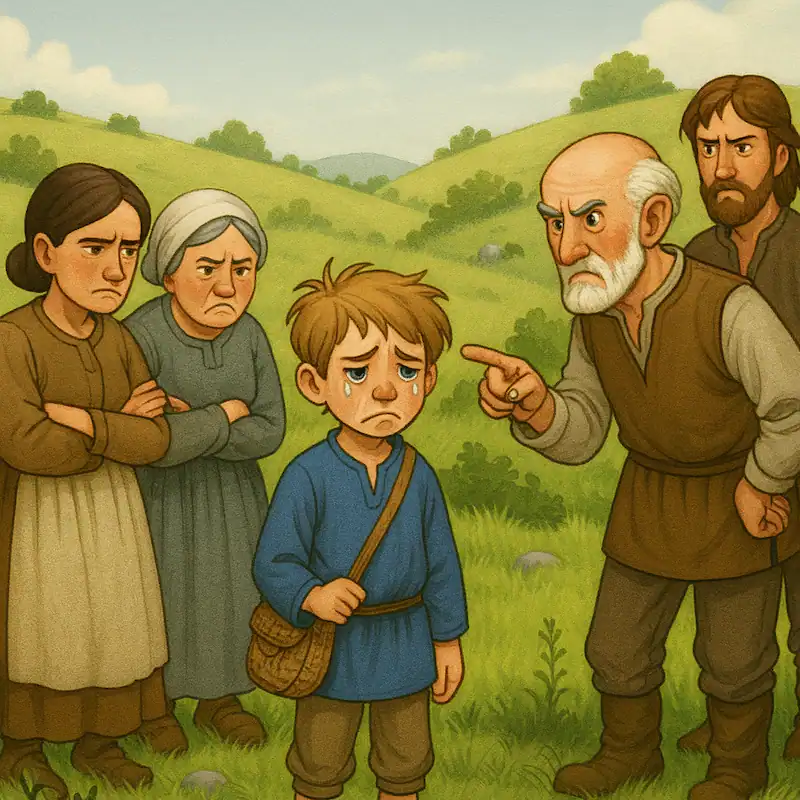
The villagers were furious and stomped home.
The Second Trick
The next day, Finn did it again. “WOLF! WOLF!” he cried.
The villagers, though doubtful, came once more.
Again, no wolf. Just lies. They warned Finn they would not be fooled again.
When the Real Wolf Came
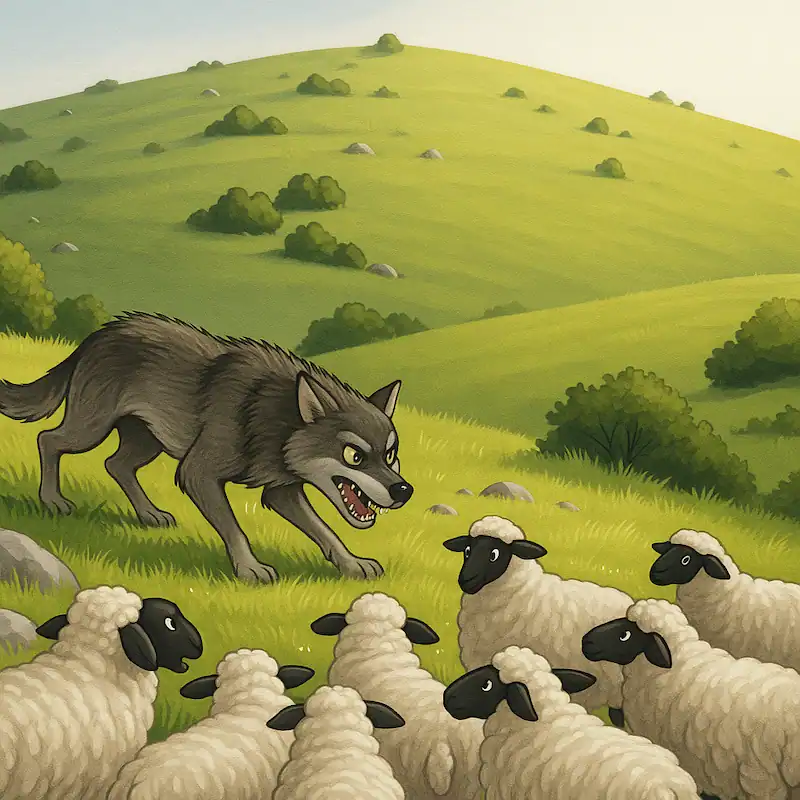
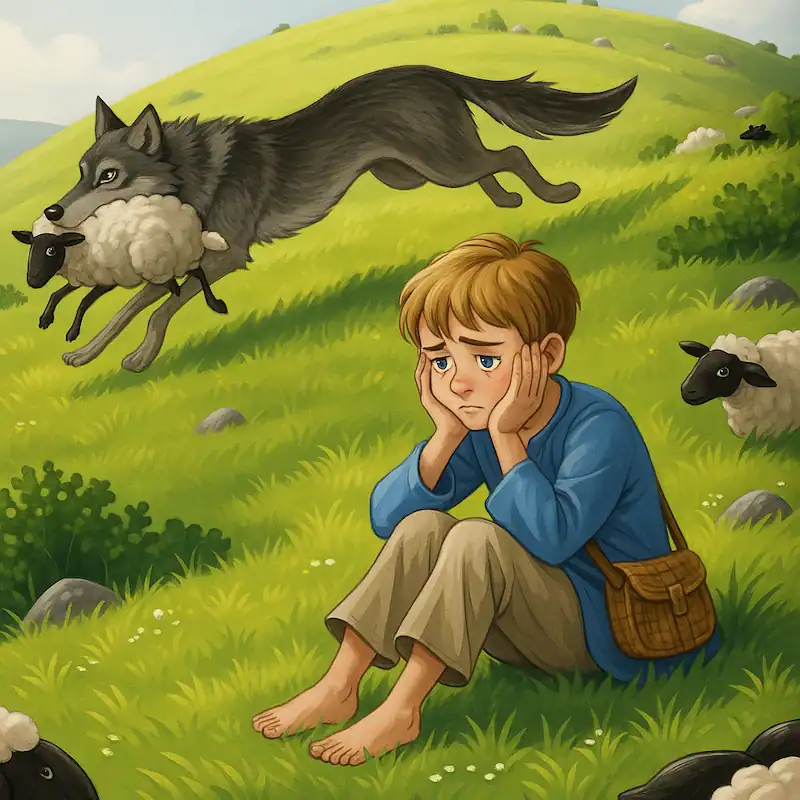
But later that day… a real wolf appeared.
Big. Grey. Sharp teeth flashing. It chased the sheep!
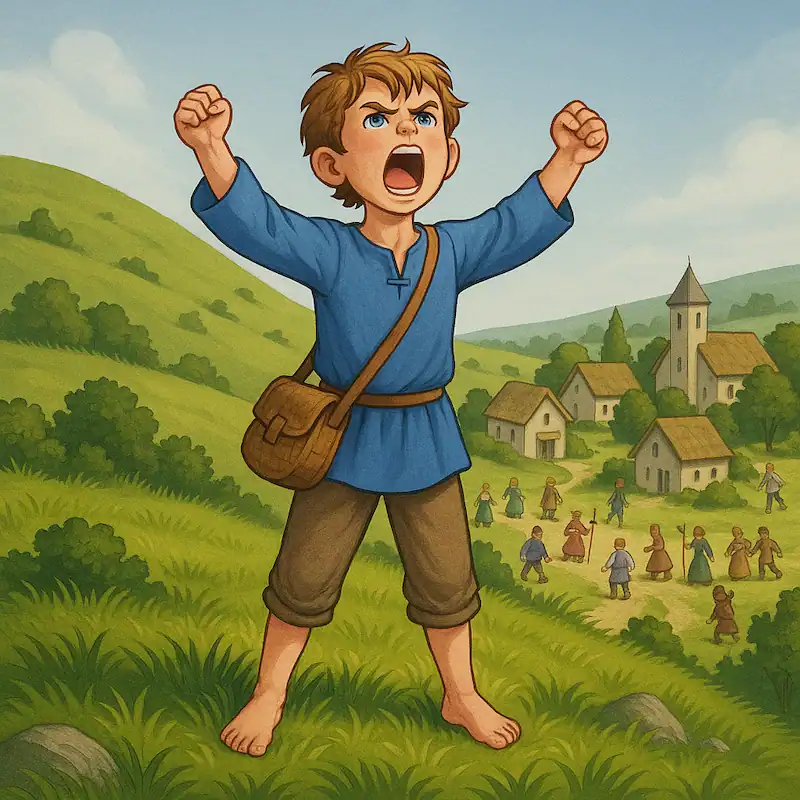
Finn screamed, “WOLF! WOLF! PLEASE HELP!”
But this time, the villagers didn’t come. They thought it was just another trick.
The wolf scattered the flock and carried one away. Finn was left alone, sad and regretful.
Moral of the Story of The Boy Who Cried Wolf
When the villagers found him, they said:
“No one believes a liar, even when they tell the truth.”
And from that day on, Finn promised to always be honest.
Moral of The Boy Who Cried Wolf
The moral of The Boy Who Cried Wolf is that lies destroy trust. If someone keeps raising false alarms, people may stop believing them even when they finally tell the truth. The story teaches children that honesty matters because trust is hard to rebuild once it is broken.
More Stories from Aesop
The Lion and the Mouse – a moral tale about kindness, gratitude and how small acts can make a big difference
The Fox and the Grapes – an Aesop fable about disappointment, excuses and honesty with ourselves
Fable – a short story that teaches a moral lesson. Shepherd – a person who looks after sheep. Trust – believing that someone is honest and reliable. Consequences – what happens because of a choice or action. False alarm – warning people about danger when there is no real danger. Regretful – feeling sorry about something you did.
Teacher’s Note
The Boy Who Cried Wolf works well as a short classroom text for honesty, trust and consequences. Because it is brief and easy to follow, it is especially useful for younger readers and for discussion-based learning. Teachers can use it to explore why repeated lying damages trust and how children can make better choices when they want attention, excitement or sympathy.
Parent and Teacher Discussion Questions for The Boy Who Cried Wolf
Why did Finn shout “Wolf” when there was no danger?
How did the villagers feel when they discovered he was lying?
Why didn’t they believe him when the real wolf came?
What is the story teaching us about honesty?
Why is trust important in a family, school or community?
What could Finn have done instead of lying?
How can someone rebuild trust after making a bad choice?
Classroom Activities
1. Trust Ladder
Draw a ladder with five steps from full trust at the top to no trust at the bottom.
Ask children to place Finn at different points in the story:
Before the first lie
After the first lie
After the second lie
After the real wolf arrives
At the end of the story
Then ask: What made trust go down, and how can it go back up?
Why it works: Much stronger than a generic scale because it tracks character development.
2. Real Danger or False Alarm?
Read out short situations and ask children whether each one is a real warning or a false alarm.
Examples:
Fire alarm ringing
Friend joking about danger
Someone shouting for help
School emergency drill
An exaggerated playground story
Then discuss why false alarms are serious.
Why it works: Very practical and directly tied to the fable’s meaning.
3. Rebuild Trust Activity
Ask children to write or discuss:
What should Finn do next to rebuild the villagers’ trust?
Prompts:
Apologise
Tell the truth consistently
Help replace the lost sheep
Prove he can be responsible
Why it works: This is much better than simply rewriting the ending because it introduces restoration and consequences.
4. Village Role Play
Assign roles:
Finn
Villagers
One villager who still believes him
One villager who does not
Narrator
Act out both moments:
The false alarm
The real alarm
Then compare how the villagers’ reactions changed.
Why it works: This becomes a trust-and-consequences exercise, not just acting.
5. Honesty Poster With Evidence
Instead of just a slogan poster, ask children to include:
The lesson
One key quote from the story
One real-life example
One way to rebuild trust
Example heading:
Honesty builds trust — lies break it
Why it works: More teacher-useful and less craft-for-the-sake-of-craft.
History of The Boy Who Cried Wolf
The Boy Who Cried Wolf is traditionally attributed to Aesop, the storyteller linked with many famous fables from ancient Greece. Like other Aesop fables, it survives because it teaches a simple moral in a short, memorable way. Although the exact date of the story is uncertain, it has been told and retold for centuries in many versions.
About Aesop and Why We Narrated This Story
We included The Boy Who Cried Wolf because it is one of the clearest and most memorable fables for teaching honesty. It is short enough for younger readers, strong enough for classroom discussion and still useful in everyday life because children quickly understand how trust can be lost.
Frequently Asked Questions about The Boy Who Cried Wolf
What is The Boy Who Cried Wolf about?
The Boy Who Cried Wolf is about a shepherd boy who keeps raising a false alarm for fun. When a real wolf finally appears, nobody believes him, and he learns a hard lesson about honesty and trust.
What is the moral of The Boy Who Cried Wolf?
The moral of The Boy Who Cried Wolf is that people stop believing liars, even when they later tell the truth. The story teaches children that honesty matters because trust is difficult to rebuild once it has been broken.
What does The Boy Who Cried Wolf mean?
The story means that repeated lies damage trust. It warns that false alarms and dishonest behaviour can have serious consequences when real help is needed.
Why is The Boy Who Cried Wolf a fable?
It is a fable because it is a short story written to teach a clear moral lesson. Like many fables, it uses a simple plot and memorable ending to show the consequences of a bad choice.
Who wrote The Boy Who Cried Wolf?
The story is traditionally attributed to Aesop, the ancient storyteller linked with many famous fables. Because the tale comes from an old storytelling tradition, many versions exist today.
Is The Boy Who Cried Wolf a true story?
No. The Boy Who Cried Wolf is not a true story. It is a fable, which means it was created to teach a lesson rather than record a real event.
What are the main themes in The Boy Who Cried Wolf?
The main themes are honesty, trust, responsibility, consequences and community. The story also explores how attention-seeking behaviour can backfire.
What does “crying wolf” mean?
Crying wolf means raising a false alarm or pretending there is danger when there is not. If someone does this too often, people may ignore them in a real emergency.
Is The Boy Who Cried Wolf an allegory?
Not usually. It is better described as a fable rather than an allegory. The story gives a direct moral lesson about lying and trust instead of using a more complex symbolic structure.
How can you teach The Boy Who Cried Wolf to kids?
You can teach the story by asking simple questions such as: Why did the villagers stop believing the boy? What could he have done differently? How do people rebuild trust after lying? This helps children connect the fable’s lesson to real life.