


The Story of The Ugly Duckling
Waiting for the Final Egg to Hatch
The wheat fields shimmered gold in the sun, the oat grass waved like seaweed, and the storks tiptoed proudly through the meadows on long red legs. Near the edge of a deep, cool lake stood an old farmhouse, tucked away behind wild woods and surrounded by quiet canals.
Hidden under a patch of giant burdock leaves, a mother duck sat patiently on her nest. Her eggs had taken forever to hatch, and she was growing bored. “No one comes to visit,” she sighed, “and the other ducks are all off splashing in the water. I’ve been sitting so long my tail feathers have gone flat!”
But then—crack! One egg popped open. Then another. And another!
“Peep, peep!” chirped the ducklings as they scrambled out, blinking at the green world.
“Quack, quack,” said Mother Duck proudly. “That’s it, my darlings. Stretch your wings and look around!”
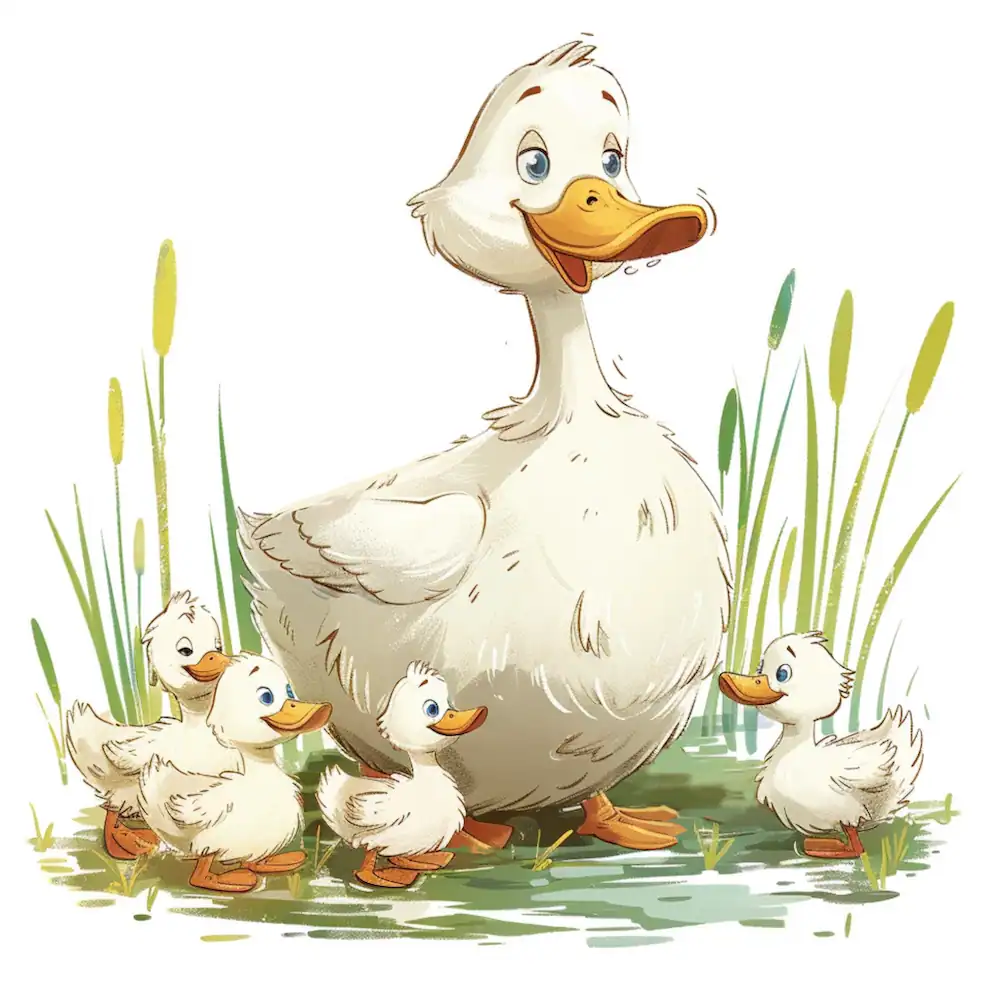
But one large egg still hadn’t hatched. “Honestly,” she grumbled, “this one’s as slow as molasses.”
Just then, an older duck waddled by. “Still sitting?” she quacked. “That big egg looks like a turkey egg to me. Leave it. Turkeys don’t swim. Trust me—mine just stared at the water like it was lava.”
Mother Duck frowned. “I’ve waited this long. What’s a little longer?”
The Scruffy New Arrival
Finally, the big egg cracked. Out tumbled a large, scruffy chick. He was grey, awkward, and nothing like the others.
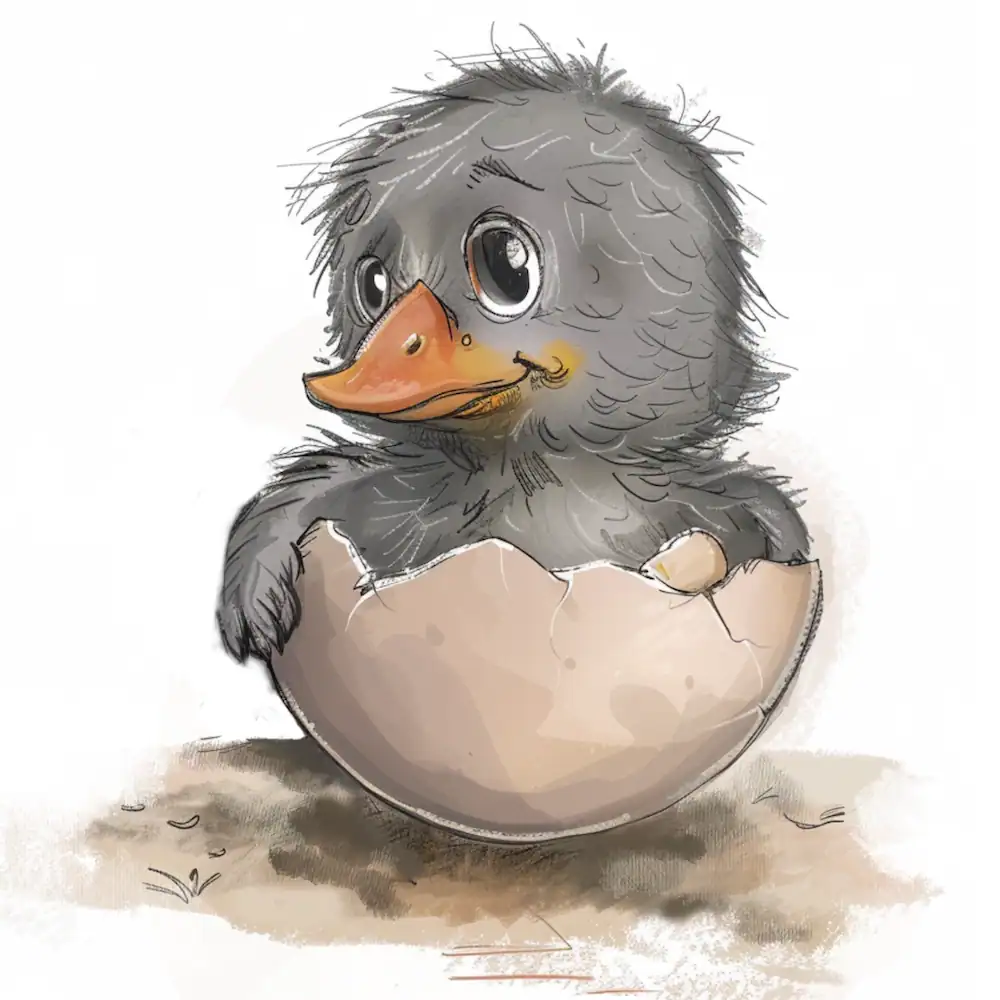
Mother Duck tilted her head. “Oh dear. You’re… not very duckish, are you?”
She shrugged. “Well, we’ll see how you do in water. That’s the real test.”
The next day, she marched her brood to the canal. “Quack, quack! Everyone in!”
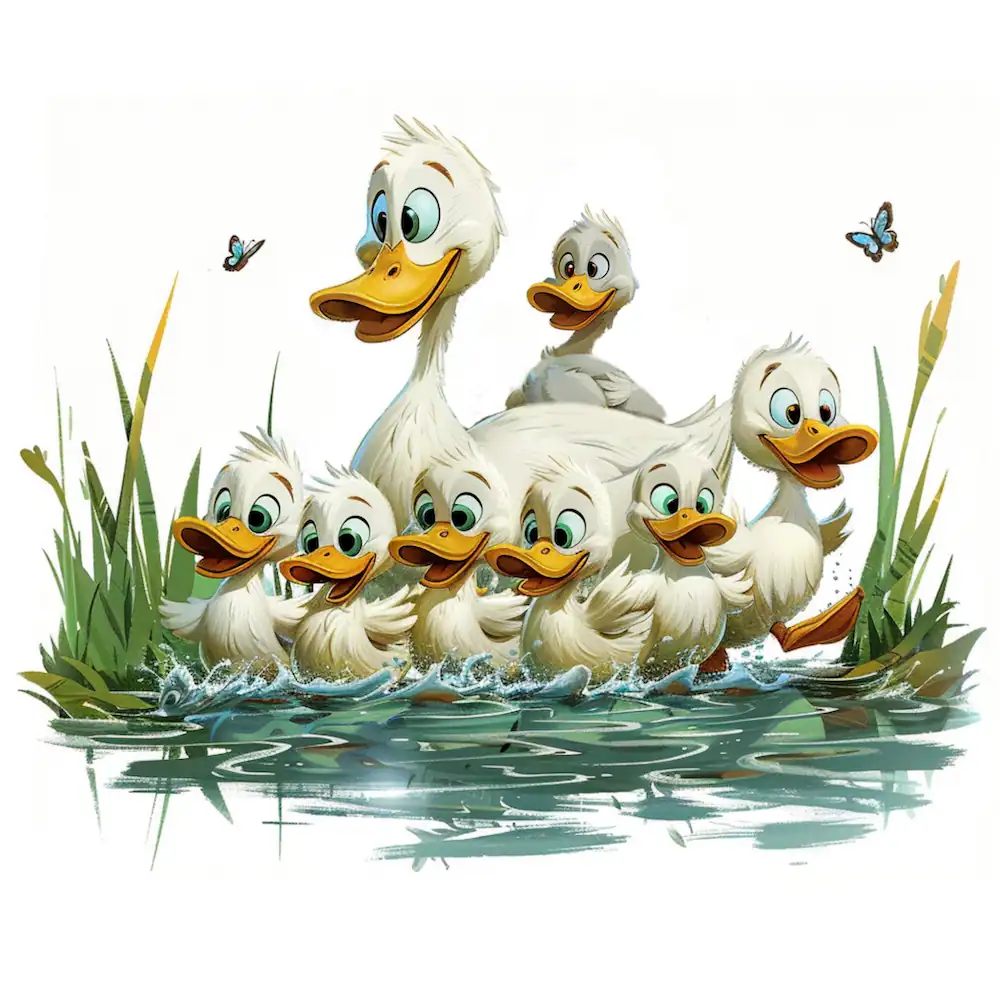
One by one, the ducklings splashed in and swam beautifully. Even the big scruffy one paddled with ease. “Well then,” said Mother Duck, “you’re no turkey! You can swim!”
She led them all to the farmyard to meet the other animals.
But trouble came quickly.
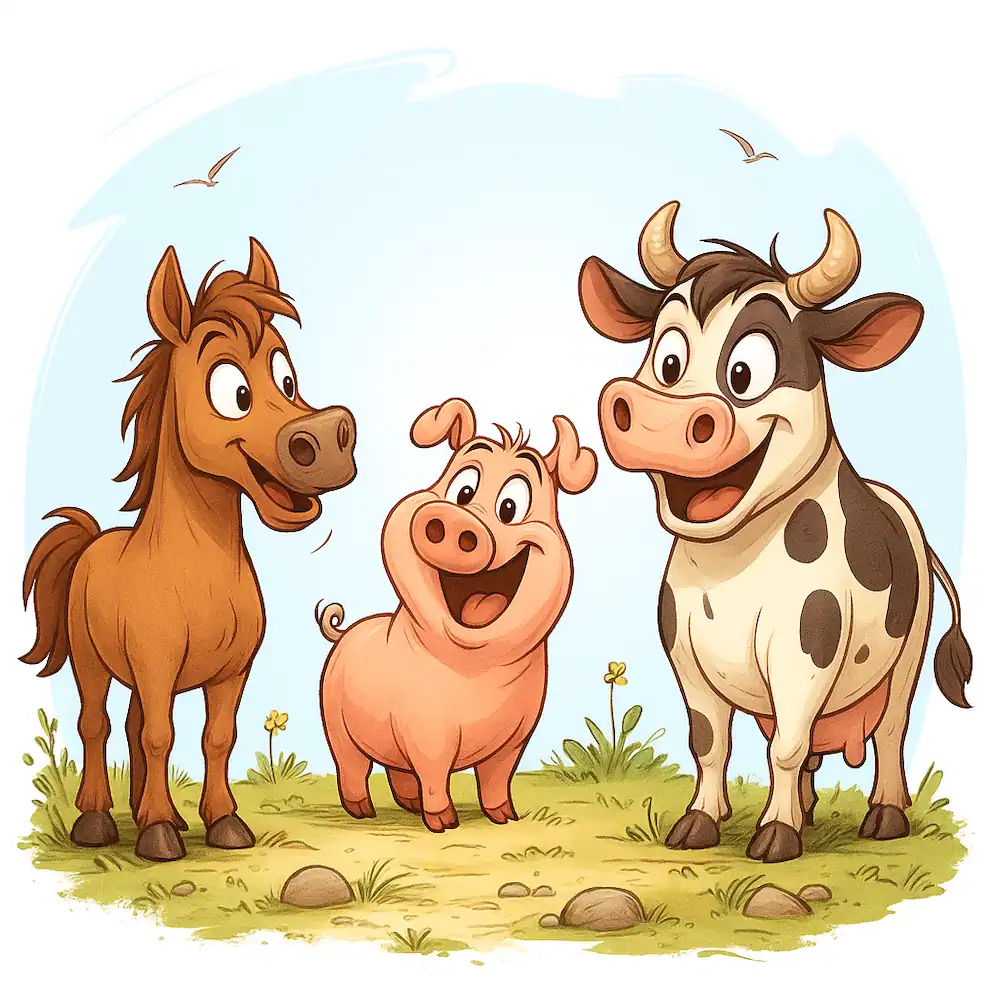
“Look at that one!” grunted the pig. “What a fright! Why is he even here?”
A cow bit him.
“He’s ugly!” neighed the horse.
Mother Duck tried to defend him. “He swims well and has a kind heart!”
But even she couldn’t stop the teasing. The poor duckling became more and more miserable.
Leaving the Farmyard Behind
Every day, life grew harder. The duckling’s brothers and sisters turned against him. “Why can’t you look normal?” they snapped. Even his own mother looked away and muttered, “Why couldn’t you have been like the others?”
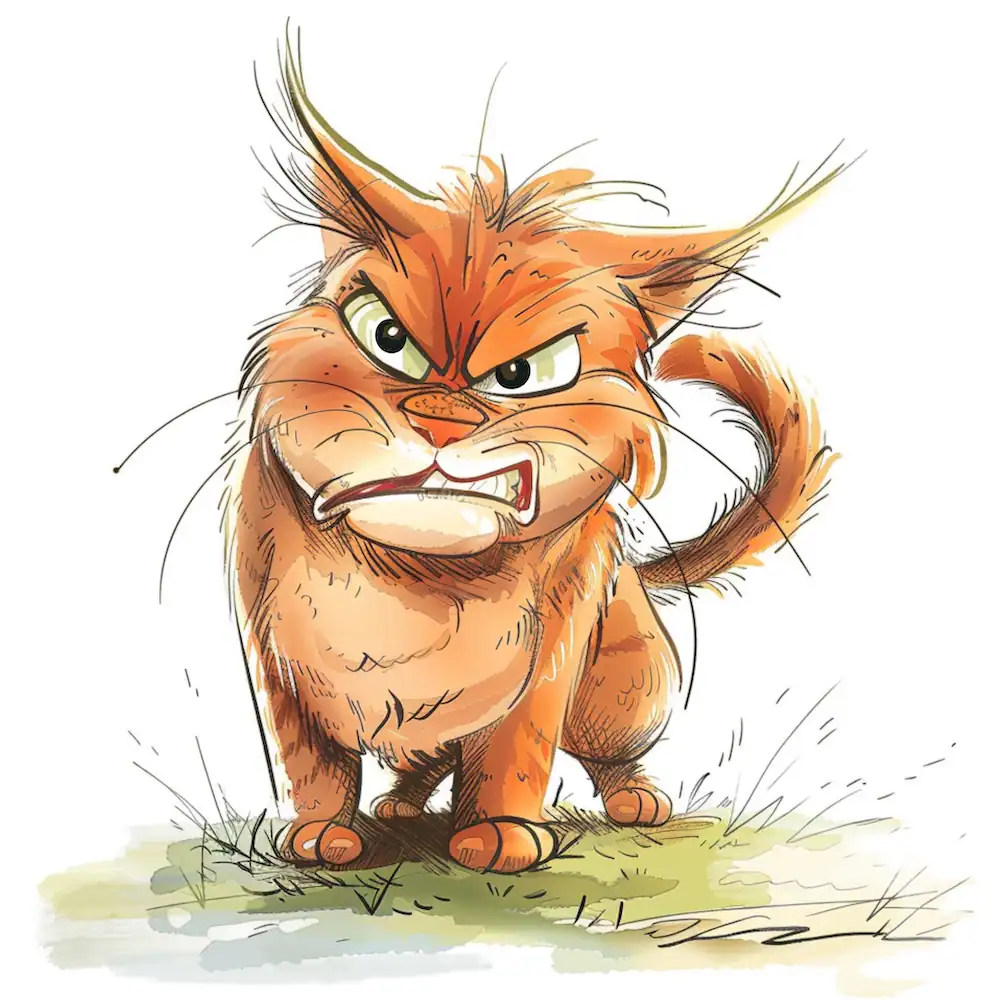
Chickens pecked him. The farmer’s daughter kicked him away from the feed. Even the cat looked at him with disgust.
One morning, the duckling could bear it no longer. He slipped beneath a fence and ran—across fields, over hedges—until he reached a quiet moor, where frogs croaked among the rushes.
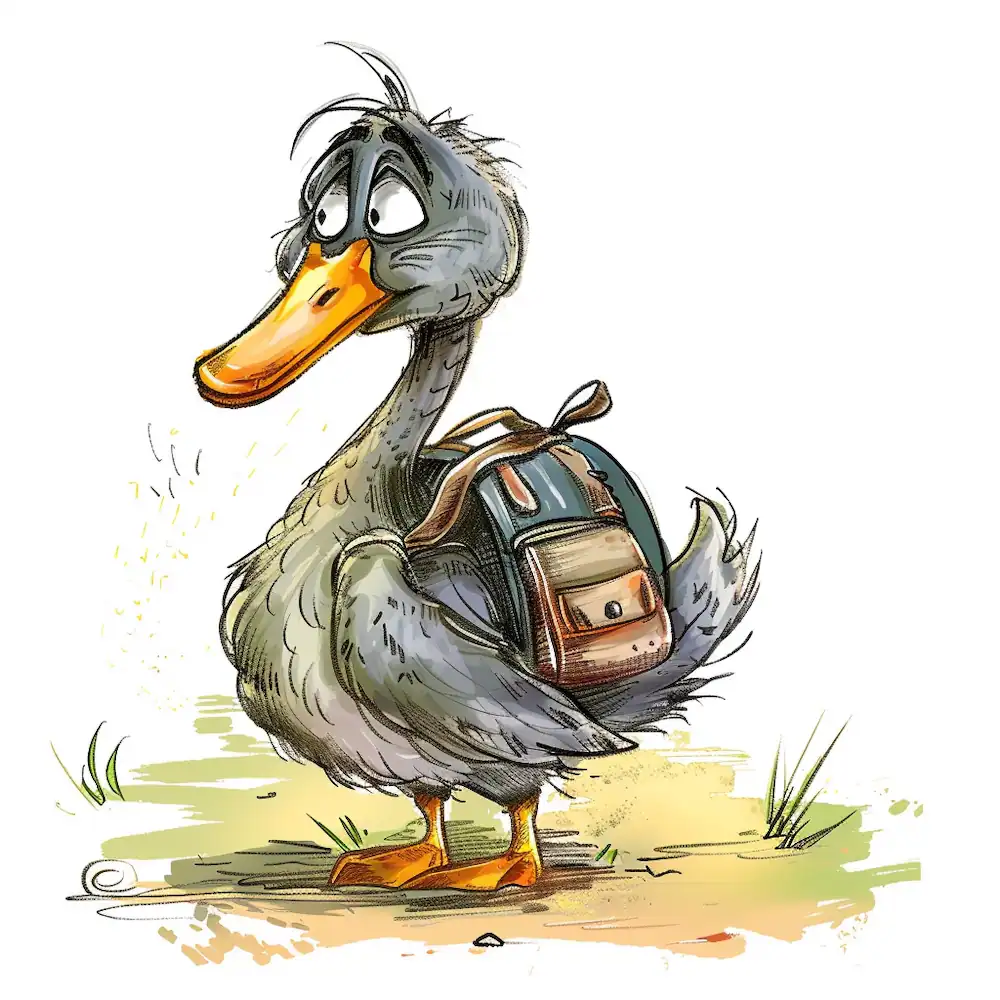
There, he met a flock of wild geese.
“You’re an odd-looking thing,” they said. “But if you’re not after a wife, you can stay.”
For the first time, the duckling felt a flicker of peace. But it was short-lived.
Surviving the Wild Moor
Suddenly—BANG!
The geese leapt into the air in alarm.
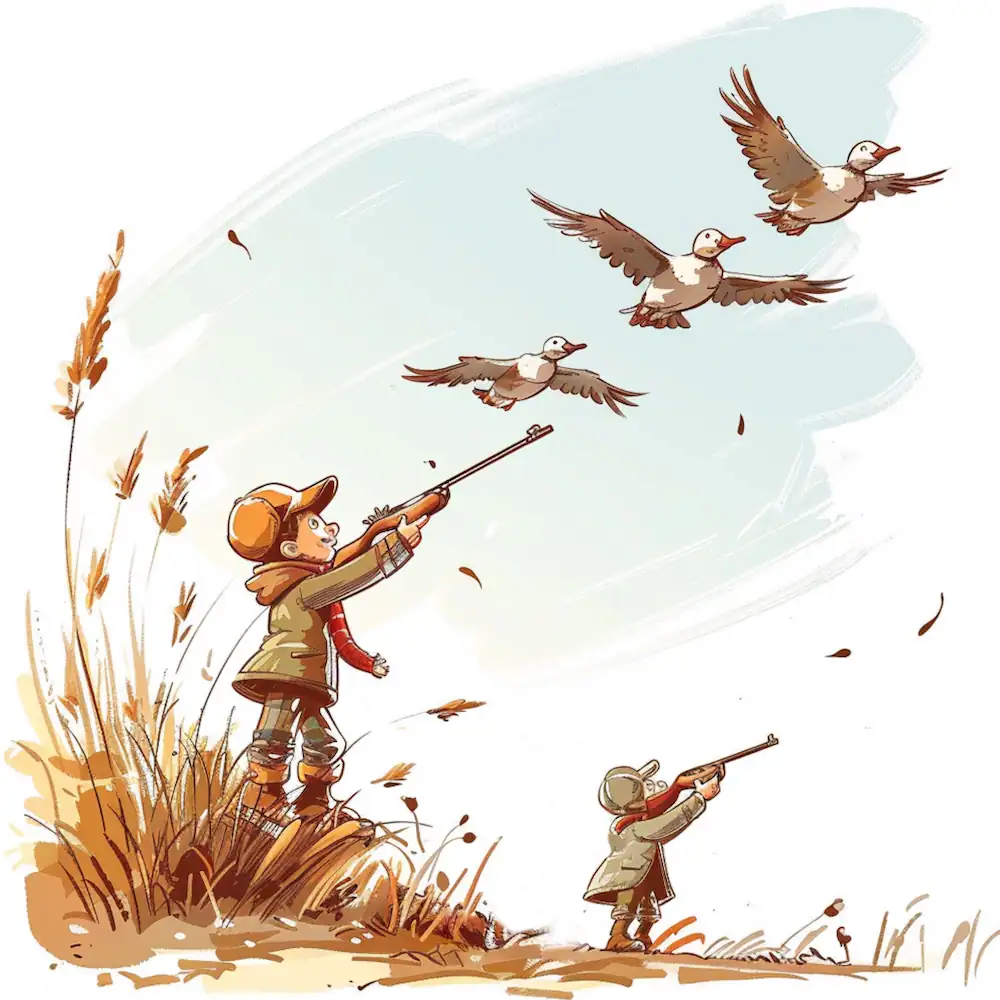
BANG!
Three wild geese dropped, lifeless, into the reeds.
Hunters.
Smoke filled the sky. Dogs barked and splashed through the reeds. One huge dog bounded towards the duckling, teeth bared. The duckling shut his eyes. But the dog sniffed, then ran off.
“Even the dog doesn’t want me,” whispered the duckling.
When the guns went quiet, he crept away again, through wind and storm. Finally, cold and soaked, he found a crooked little cottage barely standing. Through a crack in the door, he slipped inside.
No Place in the Crooked Cottage
The cottage belonged to an old woman, a bossy hen, and a proud cat. “Oh!” said the woman, squinting. “A duckling! Maybe you’ll lay me some eggs!”
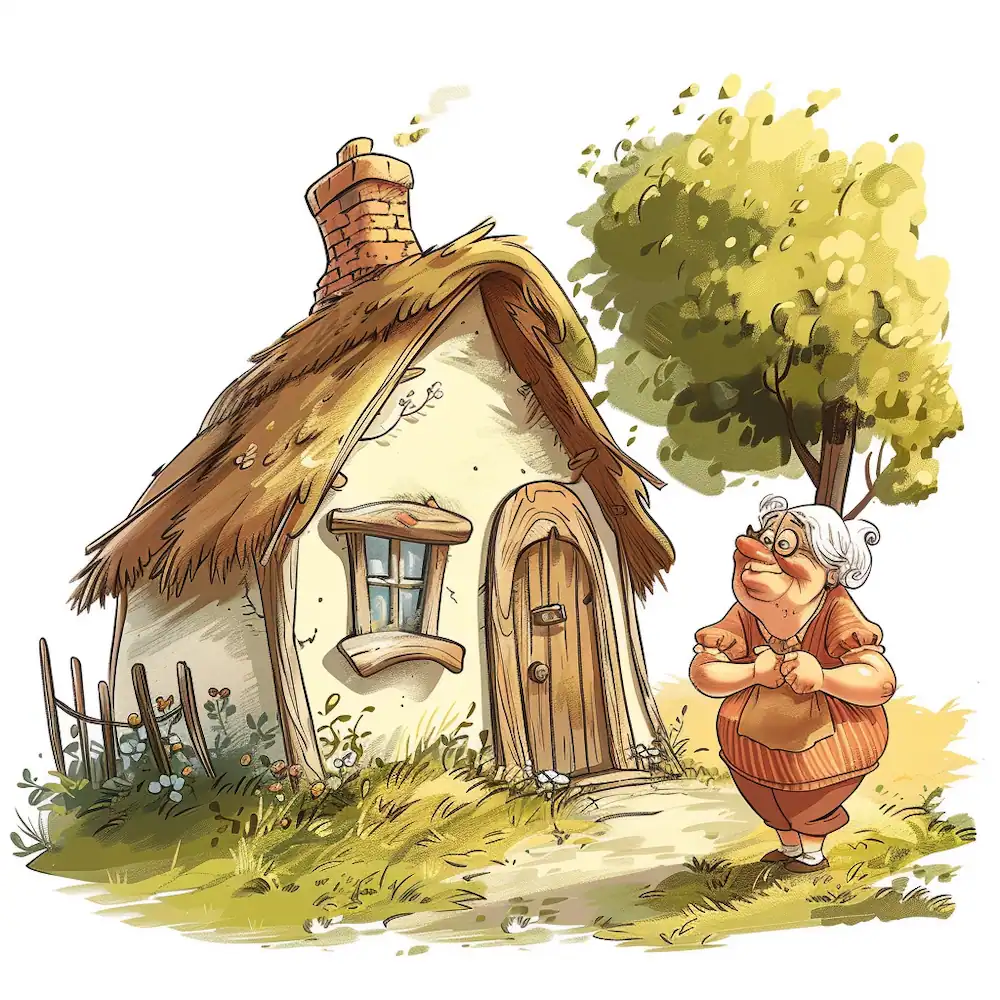
She let him stay—but soon the hen and cat took over. “Can you purr?” the cat asked.
“No,” said the duckling.
“Can you lay eggs?” asked the hen.
“No…”
“Then what use are you?” they said together.
The duckling sighed. “Maybe they’re right,” he thought sadly. “Maybe I don’t belong anywhere.”
But he missed the water. He missed the sky. “I just want to swim again,” he whispered.
“Swim? How silly!” laughed the hen. “If you can’t purr or lay eggs, you’re worthless!”
Feeling lonelier than ever, the duckling left. He didn’t know where he belonged, but he knew it wasn’t there.
A Test of Resilience and Hope
Autumn arrived. Leaves fell like golden raindrops, and the air turned sharp and chilly.
The duckling swam in lonely ponds and slept under bare bushes. When the lakes began to freeze, he paddled in tiny circles just to stop the water turning to ice.
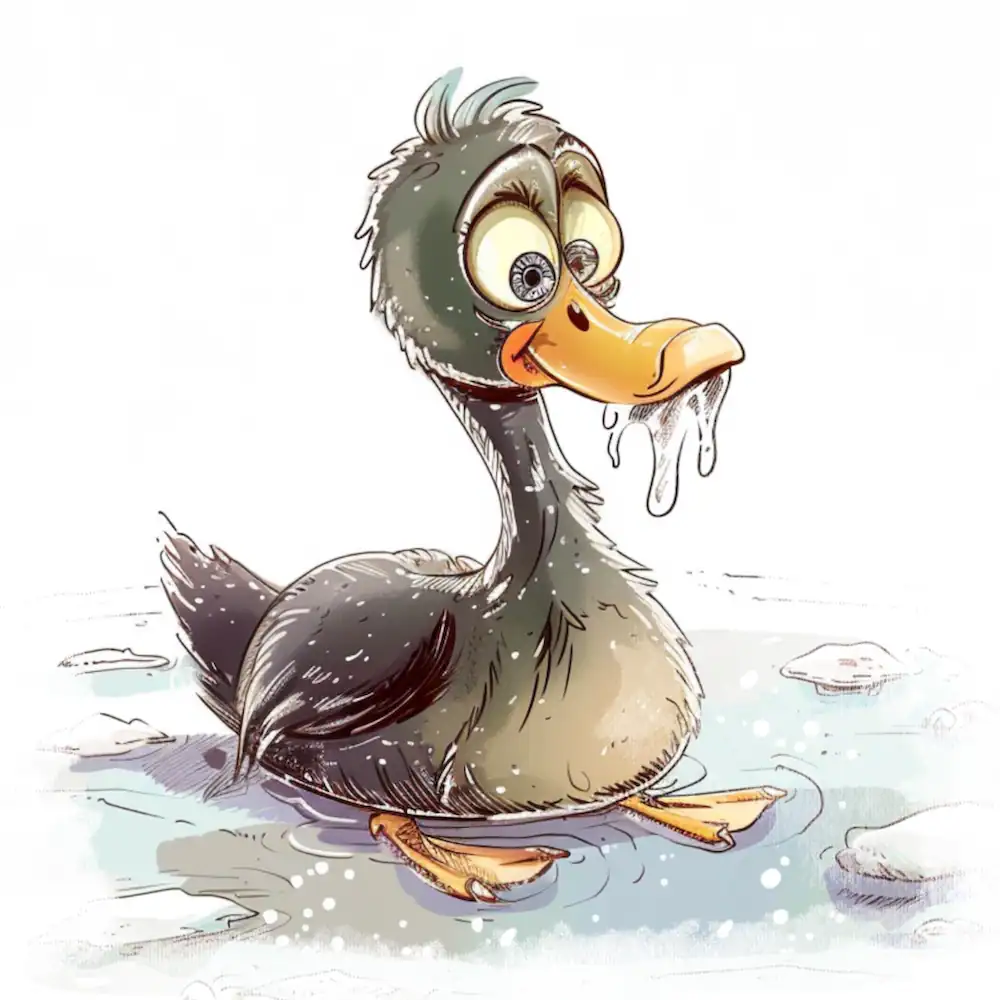
At dawn, a kind farmer spotted him frozen in the ice. Gently, he chipped him free and carried him home in his coat.
The warmth of the house slowly brought the duckling back to life. But as soon as he opened his eyes, the farmer’s children came rushing in, shouting and laughing.
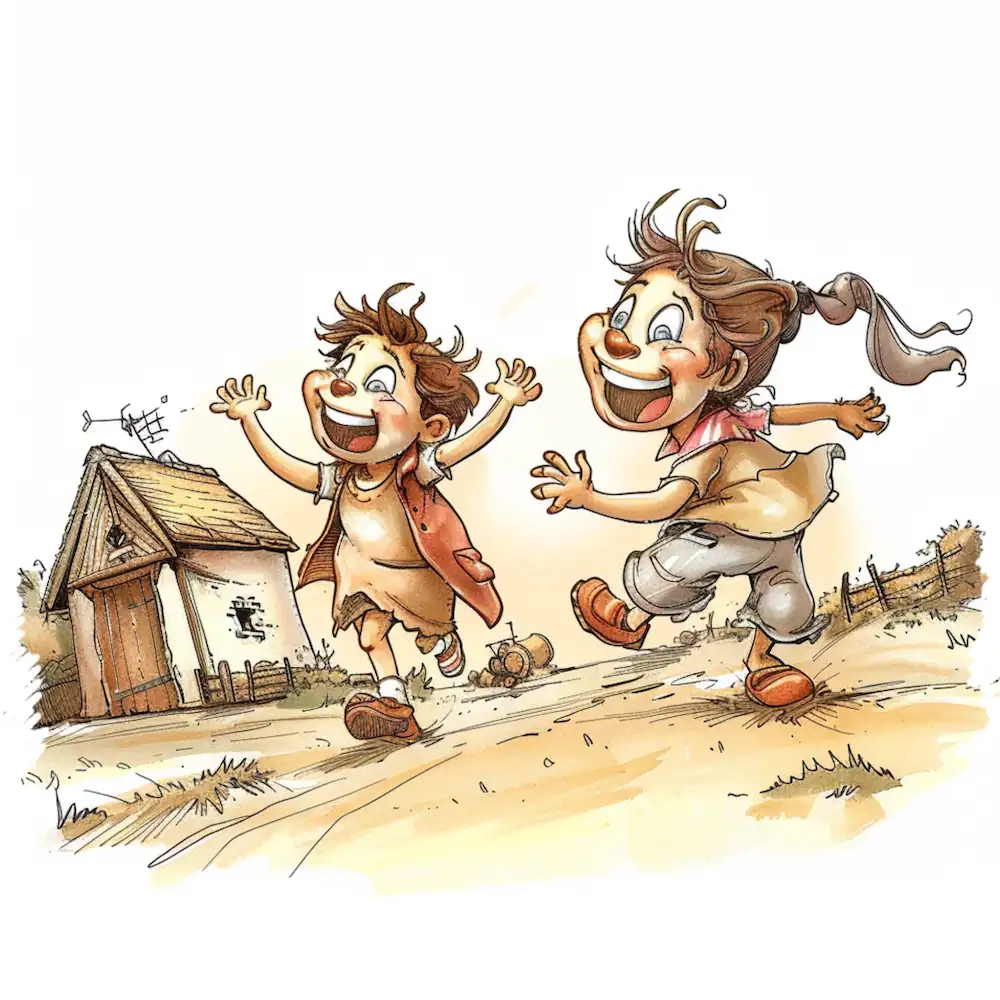
Frightened, the duckling flapped his wings and leapt into the milk pan, splashing it everywhere. Then he tumbled into the flour tub, turned ghost-white, and scrambled through the open door out into the cold.
A Flight of Discovery
Winter was cruel. The duckling had no home, no family, and no idea who—or what—he really was. But when spring came, so did hope.
One morning, as the sun warmed the rushes, he stretched his wings. To his surprise, they felt strong. With a mighty flap, he rose into the sky!
He soared over trees and meadows, his heart beating wildly. Below him lay a beautiful garden with a shining pond. And on that pond glided three white birds—elegant, graceful, and dazzling in the sunlight.
Swans.
The duckling had never seen such creatures. They were perfect. And something deep inside pulled him towards them.
“I must join them,” he whispered. “Even if they don’t want me, I have to try.”
He landed on the water and bowed his head.
But the swans didn’t attack. They welcomed him.
The duckling glanced down… and gasped.
Finding the Swan Within
In the clear water, he saw his reflection—not a scruffy, grey creature, but a tall, white bird with a long, elegant neck and feathers that shimmered in the sunlight.
He leaned closer. “That’s… me?” he whispered. “I’m not a duckling. I’m a swan.”
He had never felt so happy, or so surprised.
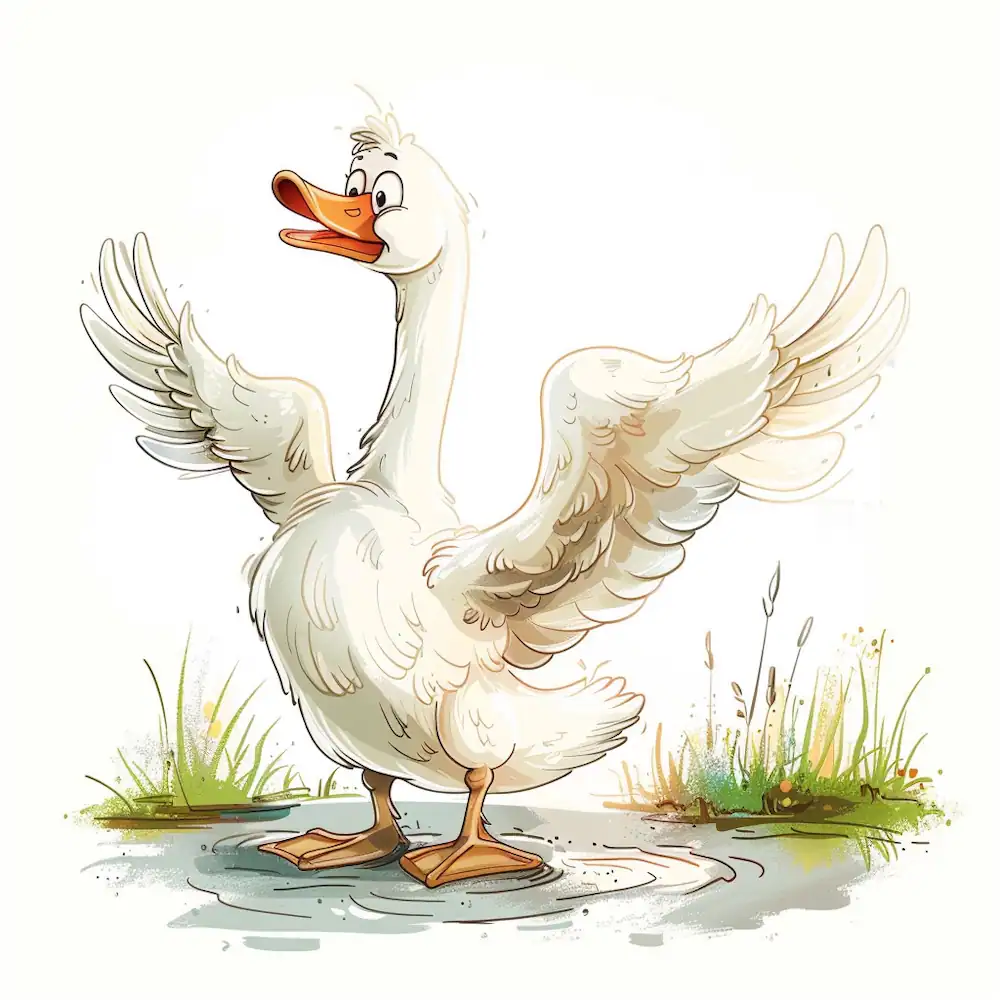
Soon, children came to the pond and tossed bread into the water. “Look!” cried one. “There’s a new swan! And he’s the most beautiful of all!”
The once-ugly duckling blushed and tucked his head under his wing. He wasn’t used to praise. He had never dreamed of such happiness.
But it was real. He wasn’t a duckling at all. He never had been.
The Moral of the Ugly Duckling
Don’t judge others by what you see on the outside — the most wonderful things take time to grow. True beauty lives inside us, and it’s not for others to decide. Even if the world doesn’t understand you yet, that doesn’t mean you’re not already becoming something extraordinary.
Get Dylan’s First Adventure
Join the dancing fun! Grab your free copy of Dylan’s school debut.
Send My CopyCheck your email (and junk folder).
